OUR RANGE OF STAINLESS STEEL VALVES
Valves play a vital role in managing the flow of liquids, gases, and other materials through pipelines. Different valves have various functions such as opening, closing, or partially obstructing different passageways.
About our Range of Stainless Steel Valves
Valves effectively control fluid flow in various systems or processes by enabling the stopping and starting of flow, regulating the volume of flow, directing the flow’s path, adjusting pressure levels, and alleviating overpressure.
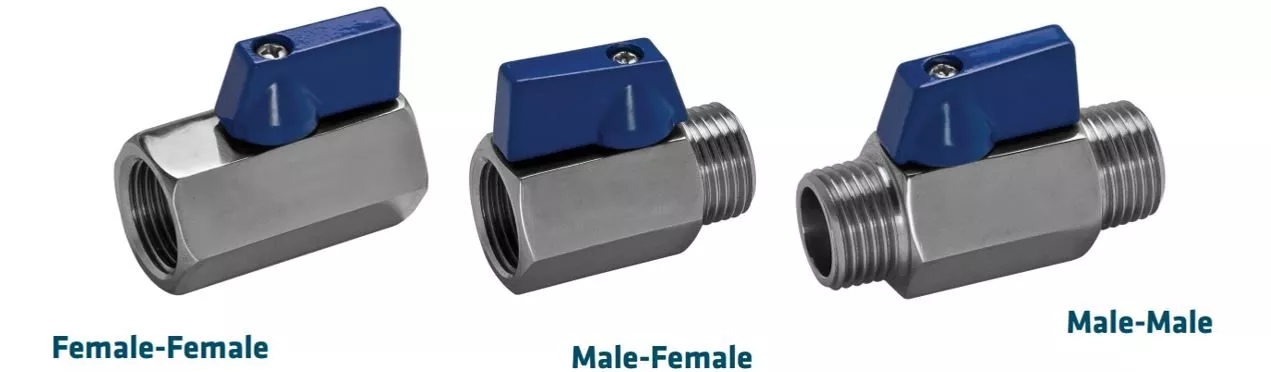
The Metal Company offers an extensive range of stainless steel valves for weld, BSP and flange connection. In our welded valve range, we stock sanitary ball valves, sanitary butterfly valves, socket weld ball valves, sanitary non-return valves, tube weld in ball valves and sample valves. In our BSP valve range we stock, 2pc and 3pc ball valves, check valves, globe and gate valves, mini ball valves in Male-Male, Male-Female and Female-Female configurations, needle valves and y strainers.
NON-STAINLESS STEEL VALVES
In our cast iron flanged valve range we stock, butterfly valves, y strainers and isolating regulating valves.
About our Range of Stainless Steel Valves
Valves effectively control fluid flow in various systems or processes by enabling the stopping and starting of flow, regulating the volume of flow, directing the flow’s path, adjusting pressure levels, and alleviating overpressure.
The Metal Company offers an extensive range of stainless steel valves for weld, BSP and flange connection. In our welded valve range, we stock sanitary ball valves, sanitary butterfly valves, socket weld ball valves, sanitary non-return valves, tube weld in ball valves and sample valves. In our BSP valve range we stock, 2pc and 3pc ball valves, check valves, globe and gate valves, mini ball valves in Male-Male, Male-Female and Female-Female configurations, needle valves and y strainers.
NON-STAINLESS STEEL VALVES
In our Cast iron flanged valve range we stock, butterfly valves, y strainers and isolating regulating valves.
Technical
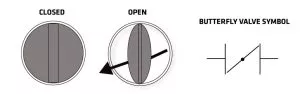
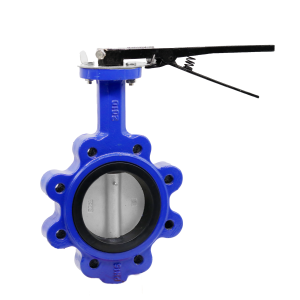
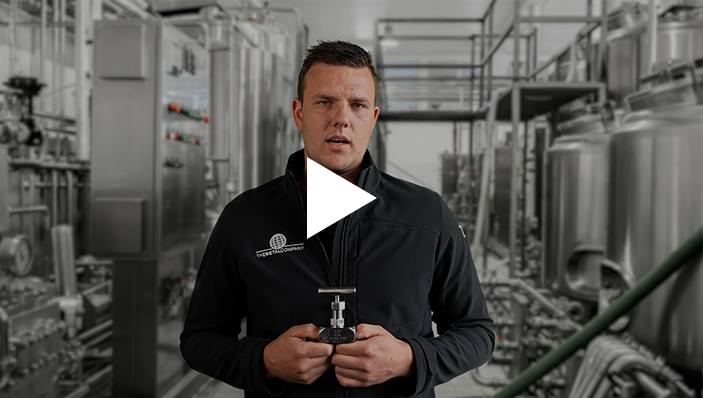
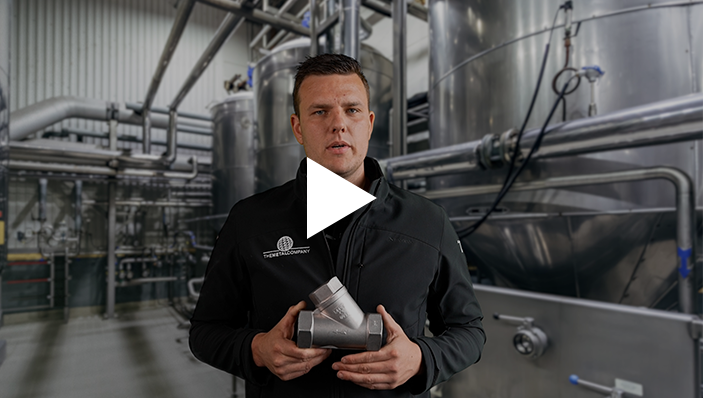
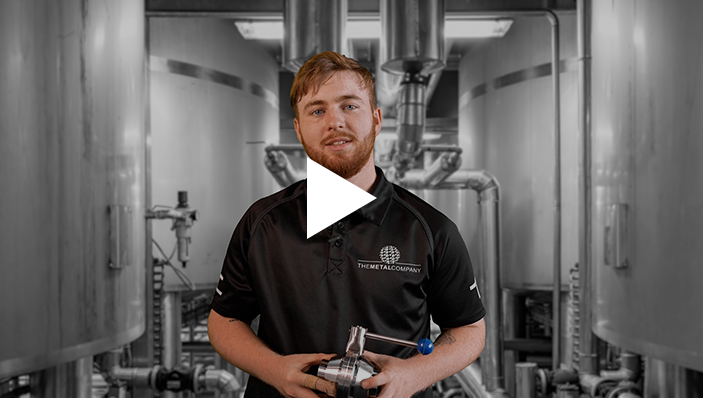
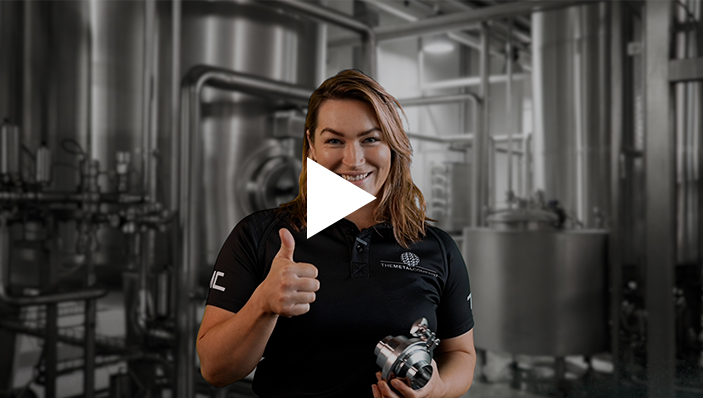
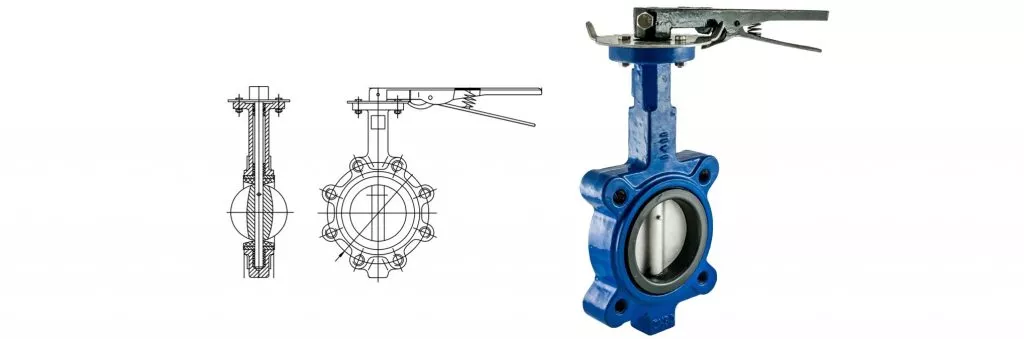
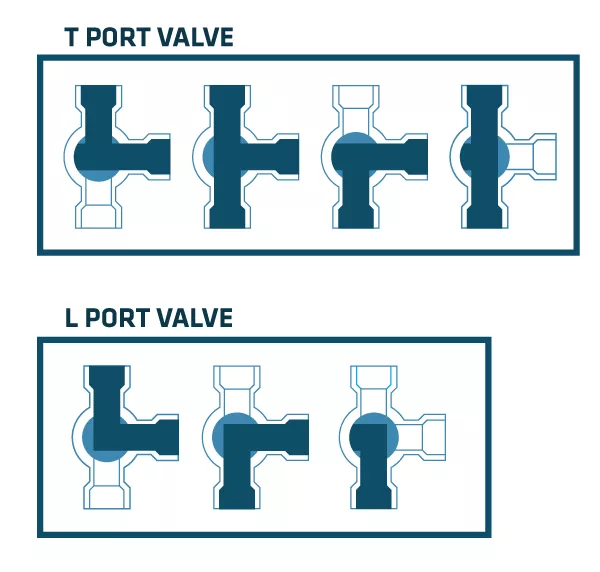
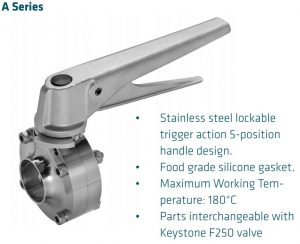
Both Cast Iron and Cast Steel are ferrous metals and made mostly from iron and therefore look almost identical in appearance. Cast Iron is an iron casting with carbon content higher than 2%. Cast Steel is a steel casting with carbon content lower than 2%, giving it a better corrosion resistance than steel. Iron is relatively easy to cast, as it pours easily and doesn’t shrink as much as steel. The higher grades of this metal can withstand a greater load and a degree of tightness or corrosion resistance. For this reason, our cast iron valves are a wonderful solution for certain applications. They are highly durable, making them the right choice for many plumbing solutions. The durability of these types of valves means that they require less maintenance, which saves money in the long run. They are also resistant to corrosion. While tough, these types of valves are not the right solution for every application. For instance, certain kinds of chemicals and gases may benefit from cast steel valves instead. Higher-pressure systems often benefit from steel cast valves. Likewise, cast steel valves weigh less and may be a better solution in tight spaces. Cast steel valves are also extremely reliable and are often the valves of choice in applications like refineries and chemical plants. No matter your application, our experts here at The Metal Company are ideally suited to answer your questions to make sure that you have the right type of valve for the right application. Both Cast Iron and Cast Steel are ferrous metals and made mostly from iron and therefore look almost identical in appearance. Cast Iron is an iron casting with carbon content higher than 2%. Cast Steel is a steel casting with carbon content lower than 2%, giving it a better corrosion resistance than steel. Iron is relatively easy to cast, as it pours easily and doesn’t shrink as much as steel. The higher grades of this metal can withstand a greater load and a degree of tightness or corrosion resistance. For this reason, our cast iron valves are a wonderful solution for certain applications. They are highly durable, making them the right choice for many plumbing solutions. The durability of these types of valves means that they require less maintenance, which saves money in the long run. They are also resistant to corrosion. While tough, these types of valves are not the right solution for every application. For instance, certain kinds of chemicals and gases may benefit from cast steel valves instead. Higher-pressure systems often benefit from steel cast valves. Likewise, cast steel valves weigh less and may be a better solution in tight spaces. Cast steel valves are also extremely reliable and are often the valves of choice in applications like refineries and chemical plants. No matter your application, our experts here at The Metal Company are ideally suited to answer your questions to make sure that you have the right type of valve for the right application. See above for the Butterfly Valve Symbol and diagram which shows an open and closed Butterfly Valve. The Butterfly disc positioned in the center rotates either parallel or perpendicular to the flow, allowing for quick shut-off. When the valve is fully closed, the disc is turned perpendicular, so it completely blocks off the passageway. When the valve of a Butterfly Valve is fully open, it is rotated a quarter turn which is then parallel with the flow. The disc is commonly referred to as the Butterfly which is mounted on a rod. The movement of the rod with the disc will depend on whether the valve is open or closed. Shop our wide range of butterfly valves to find exactly what you need. See above for the Butterfly Valve Symbol and diagram which shows an open and closed Butterfly Valve. The Butterfly disc positioned in the center rotates either parallel or perpendicular to the flow, allowing for quick shut-off. When the valve is fully closed, the disc is turned perpendicular, so it completely blocks off the passageway. When the valve of a Butterfly Valve is fully open, it is rotated a quarter turn which is then parallel with the flow. The disc is commonly referred to as the Butterfly which is mounted on a rod. The movement of the rod with the disc will depend on whether the valve is open or closed. Shop our wide range of butterfly valves to find exactly what you need. The Wafer type Butterfly Valve is placed between pipe flanges, and the flange bolts surround the valve body. The Wafer Type Butterfly Valve is suitable for most flanges (including Table E, PN16 and Ansi150). If either side of the valve needs maintenance, then the entire line must be shut down The Lugged Butterfly Valve has threaded lugs on the periphery of the valve body to provide passages for bolt holes that match with those in the flanges. This design enables the disconnection of one side of the line without affecting the other. The Butterfly Valve is classified as a quarter-turn valve. This works like a ball valve for quick shutoff, however, it can open and close incrementally unlike a ball valve. The Wafer type Butterfly Valve is placed between pipe flanges, and the flange bolts surround the valve body. The Wafer Type Butterfly Valve is suitable for most flanges (including Table E, PN16 and Ansi150). If either side of the valve needs maintenance, then the entire line must be shut down The Lugged Butterfly Valve has threaded lugs on the periphery of the valve body to provide passages for bolt holes that match with those in the flanges. This design enables the disconnection of one side of the line without affecting the other. The Butterfly Valve is classified as a quarter-turn valve. This works like a ball valve for quick shutoff, however, it can open and close incrementally unlike a ball valve. Ball valves are classified as a quarter turn shut-off valve which controls the flow of fluid or gas with its rotating ball. These valves are known as a full port valve as the spherical ball has a straight bore right through it meaning that the flow path has no restriction of flow. This is because it is equal to the inside diameter of the pipe or tube that it is mounted to. The valve can be opened or closed by turning the lever on the top of the valve. For the flow to pass, the bore should be aligned with the flow of the fluid. To block the flow, the ball can be rotated perpendicular to the flow path. These valves are very versatile as they can be used in a wide range of applications as they can withstand high temperatures and pressures, easy to use and inexpensive. Ball valves are classified as a quarter turn shut-off valve which controls the flow of fluid or gas with its rotating ball. These valves are known as a full port valve as the spherical ball has a straight bore right through it meaning that the flow path has no restriction of flow. This is because it is equal to the inside diameter of the pipe or tube that it is mounted to. The valve can be opened or closed by turning the lever on the top of the valve. For the flow to pass, the bore should be aligned with the flow of the fluid. To block the flow, the ball can be rotated perpendicular to the flow path. These valves are very versatile as they can be used in a wide range of applications as they can withstand high temperatures and pressures, easy to use and inexpensive. A Needle valve is used to regulate small amounts of flow or high pressures through either an appliance or system. The unique feature about a Needle Valve is that it has a small plunger which is similar to a needle (hence the name). The needle valve’s needle fits into the seat of the valves. This allows Needle Valves to accurately control fluid flow through the valve. These valves have many applications such as water distribution systems. These valves have parallel female BSP threaded ends, contain a PTFE seal and are controlled using a T handle. The maximum temperature rating of these valves is 200 degrees celsius and the maximum pressure this valve can handle is 6000PSI. We stock needle valves in 1/4 and ½ inch. A Needle valve is used to regulate small amounts of flow or high pressures through either an appliance or system. The unique feature about a Needle Valve is that it has a small plunger which is similar to a needle (hence the name). The needle valve’s needle fits into the seat of the valves. This allows Needle Valves to accurately control fluid flow through the valve. These valves have many applications such as water distribution systems. These valves have parallel female BSP threaded ends, contain a PTFE seal and are controlled using a T handle. The maximum temperature rating of these valves is 200 degrees celsius and the maximum pressure this valve can handle is 6000PSI. We stock needle valves in 1/4 and ½ inch. Piston check valves are a type of valve that allows fluid to flow in one direction. Rather than a spring, these valves consist of a cylinder and piston. This piston has a PTFE seat which causes a tight seal. These valves also have an inspection cap where the piston can be serviced or removed while in place. These valves have parallel female BSP threaded ends and have a maximum pressure of 800 PSI. They are suitable for use up to maximum working temperature of 230 degrees celsius. We stock these valves from ½ inch right up to 2 inch. Piston check valves are a type of valve that allows fluid to flow in one direction. Rather than a spring, these valves consist of a cylinder and piston. This piston has a PTFE seat which causes a tight seal. These valves also have an inspection cap where the piston can be serviced or removed while in place. These valves have parallel female BSP threaded ends and have a maximum pressure of 800 PSI. They are suitable for use up to maximum working temperature of 230 degrees celsius. We stock these valves from ½ inch right up to 2 inch. Sanitary ball valves are a ball valve especially designed for use in a sanitary or hygienic process lines. The valves feature a full-bore design that enables full fluid flow with minimal pressure drop. This makes them ideal for handling viscous liquids or liquids containing particles in the food, beverage, chemical and pharmaceutical industries. A sanitary ball valve has a few key components that make it different from a standard ball valve. The first is the body. The body of a sanitary ball valve is made from stainless steel and is polished to a high shine to ensure it is smooth and easy to clean. The second key component is the ball. The ball in a sanitary ball valve is also made from stainless steel and polished to a high shine. The third key component is the seal, which is made from EPDM to ensure a tight seal. This also means the maximum working temperature of the valve is 120 degrees Celsius. The fourth and final key component is the handle. This is a pull and twist, multi position handle so the ball valve can be used to control flow. Sanitary ball valves are a ball valve especially designed for use in a sanitary or hygienic process lines. The valves feature a full-bore design that enables full fluid flow with minimal pressure drop. This makes them ideal for handling viscous liquids or liquids containing particles in the food, beverage, chemical and pharmaceutical industries. A sanitary ball valve has a few key components that make it different from a standard ball valve. The first is the body. The body of a sanitary ball valve is made from stainless steel and is polished to a high shine to ensure it is smooth and easy to clean. The second key component is the ball. The ball in a sanitary ball valve is also made from stainless steel and polished to a high shine. The third key component is the seal, which is made from EPDM to ensure a tight seal. This also means the maximum working temperature of the valve is 120 degrees Celsius. The fourth and final key component is the handle. This is a pull and twist, multi position handle so the ball valve can be used to control flow. Sanitary non-return valves allow for flow to move in one direction and are able to stop fluid from returning through the valve in the opposite direction. The valve contains a gate which closes off the flow. When pressure is applied the gate will open in the direction of the flow. We stock these valves that butt weld to imperial tube, tri clover connections, or RJT connections. These valves have a tri clover clamp around the centre. That means you can easily open these valves for cleaning and inspection. We also stock seal kits for these valves. Sanitary non-return valves allow for flow to move in one direction and are able to stop fluid from returning through the valve in the opposite direction. The valve contains a gate which closes off the flow. When pressure is applied the gate will open in the direction of the flow. We stock these valves that butt weld to imperial tube, tri clover connections, or RJT connections. These valves have a tri clover clamp around the centre. That means you can easily open these valves for cleaning and inspection. We also stock seal kits for these valves. Sampling valves are a type of valve which is used for taking small samples of liquid from tanks or pipelines. A sampling valve is typically used for purposes such as quality control, identification and regulatory assessment. A sampling valve is used in a variety of industries such as food and beverage, pharmaceutical, cosmetics and chemical. They are also used in laboratories and research facilities. Sampling valves are invaluable for providing vital information regarding the quality of materials being produced. Our sampling valves are long-lasting and perfect for a wide range of applications. Our resident experts can guide you to the right type of sample valve for your production needs. Our sampling valves have silicon seals. The advantage of using silicon is that it is inert and does not react with any chemicals in the sample. Sampling valves are a type of valve which is used for taking small samples of liquid from tanks or pipelines. A sampling valve is typically used for purposes such as quality control, identification and regulatory assessment. A sampling valve is used in a variety of industries such as food and beverage, pharmaceutical, cosmetics and chemical. They are also used in laboratories and research facilities. Sampling valves are invaluable for providing vital information regarding the quality of materials being produced. Our sampling valves are long-lasting and perfect for a wide range of applications. Our resident experts can guide you to the right type of sample valve for your production needs. Our sampling valves have silicon seals. The advantage of using silicon is that it is inert and does not react with any chemicals in the sample. A Y strainer is named for its Y-shaped body, which houses a sieve-like mesh filter that is placed in the path of the fluid flow. As the fluid flows through the Y strainer, the foreign matter is caught on the screen and is prevented from continuing down the pipeline. The Metal Company stock two types of Y-strainers to suit different sizes – BSP Threaded Stainless Steel Y strainers from ½” up to 2”, and Ductile iron Y strainers from 1 ½” up to 8”. The small BSP Threaded Y strainers have a fully stainless body and filter and parallel female BSP Threaded ends. Ductile Iron Y strainers have a fusion bonded epoxy coating on the body and use a stainless steel mesh. They also include a drain plug in the cap, as well as table E flanged ends. Both of the valves have a removable cap so the strainer can be removed or cleaned. Y strainers are easy to install and maintain, and they are an economical option for protecting your pipeline from damage. A Y strainer is named for its Y-shaped body, which houses a sieve-like mesh filter that is placed in the path of the fluid flow. As the fluid flows through the Y strainer, the foreign matter is caught on the screen and is prevented from continuing down the pipeline. The Metal Company stock two types of Y-strainers to suit different sizes – BSP Threaded Stainless Steel Y strainers from ½” up to 2”, and Ductile iron Y strainers from 1 ½” up to 8”. The small BSP Threaded Y strainers have a fully stainless body and filter and parallel female BSP Threaded ends. Ductile Iron Y strainers have a fusion bonded epoxy coating on the body and use a stainless steel mesh. They also include a drain plug in the cap, as well as table E flanged ends. Both of the valves have a removable cap so the strainer can be removed or cleaned. Y strainers are easy to install and maintain, and they are an economical option for protecting your pipeline from damage. Spring check valves direct fluid to flow in one direction. This kind of check valve is important for allowing fluids and gases to flow unidirectionally. A spring check valve works via a spring mechanism that regulates the flow of fluids in one direction while also preventing backflow. The force of the flow allows the gate in the check valve stopper to open to create the desired flow. Our range of spring check valves have a stainless body and disc with parallel female BSP threaded ends. We stock spring check valves in 2pc and 3pc. We have 2pc spring check valves from ⅜ inch right up to 2 inch and for the 3 pc spring check valves, from ½ inch right up to 4 inches. These spring check valves are vertical valves and are not suitable to be installed in a horizontal position. The temperature rating of these valves is from -20 degrees Celsius to 180 degrees Celsius. Spring check valves have a maximum pressure rating of 580 PSI. Spring check valves direct fluid to flow in one direction. This kind of check valve is important for allowing fluids and gases to flow unidirectionally. A spring check valve works via a spring mechanism that regulates the flow of fluids in one direction while also preventing backflow. The force of the flow allows the gate in the check valve stopper to open to create the desired flow. Our range of spring check valves have a stainless body and disc with parallel female BSP threaded ends. We stock spring check valves in 2pc and 3pc. We have 2pc spring check valves from ⅜ inch right up to 2 inch and for the 3 pc spring check valves, from ½ inch right up to 4 inches. These spring check valves are vertical valves and are not suitable to be installed in a horizontal position. The temperature rating of these valves is from -20 degrees Celsius to 180 degrees Celsius. Spring check valves have a maximum pressure rating of 580 PSI. A swing check valve contains a gate which swings away to allow flow in one direction. When the flow is stopped, the disc will swing back onto the seat, automatically closing the valve as the pressure decreases. These valves allow for full flow as the gate opens fully when under pressure. The top inspection cap allows for easy servicing and cleaning of the gate. Our check valves have a stainless steel body and disc and have a maximum pressure of 230 PSI. At The Metal Company, we can help identify the right type of valve for your application. They also have a temperature rating from -20 degrees Celsius to 180 degrees Celsius. Swing check valves have parallel female BSP threaded ends. We stock these valves from ½ inch right up to 4 inches. A swing check valve contains a gate which swings away to allow flow in one direction. When the flow is stopped, the disc will swing back onto the seat, automatically closing the valve as the pressure decreases. These valves allow for full flow as the gate opens fully when under pressure. The top inspection cap allows for easy servicing and cleaning of the gate. Our check valves have a stainless steel body and disc and have a maximum pressure of 230 PSI. At The Metal Company, we can help identify the right type of valve for your application. They also have a temperature rating from -20 degrees Celsius to 180 degrees Celsius. Swing check valves have parallel female BSP threaded ends. We stock these valves from ½ inch right up to 4 inches. A valve plays a vital role in managing the flow of liquids, gases, and other materials through pipelines. Different valves have various functions such as opening, closing, or partially obstructing different passageways. A valve controls the flow of a fluid by starting or stopping its flow, regulating its flow (throttling), controlling pressure of the flow, and/or preventing backflow. Components of a valve include a body, seat, disc (sometimes called a core), seal, and an actuator. Different types of valves service different types of applications. We offer a wide range of different valves, including Ball Valves, Sanitary Butterfly Valves, Sanitary Ball Valves, Cast Iron Valves, Y Strainers, Process Valves, Check Valves, Needle Valves, and Non-Return Valves, among other options. At The Metal Company, we can identify the right valves for your next project. A valve plays a vital role in managing the flow of liquids, gases, and other materials through pipelines. Different valves have various functions such as opening, closing, or partially obstructing different passageways. A valve controls the flow of a fluid by starting or stopping its flow, regulating its flow (throttling), controlling pressure of the flow, and/or preventing backflow. Components of a valve include a body, seat, disc (sometimes called a core), seal, and an actuator. Different types of valves service different types of applications. We offer a wide range of different valves, including Ball Valves, Sanitary Butterfly Valves, Sanitary Ball Valves, Cast Iron Valves, Y Strainers, Process Valves, Check Valves, Needle Valves, and Non-Return Valves, among other options. At The Metal Company, we can identify the right valves for your next project. The Metal Company stock cast iron Lugged Butterfly Valves in Table D/E, ANSI150 and PN1016 threaded stud patterns. These valves have a multi position trigger action handle which controls the flow. Lugged butterfly valves have a 230PSI (16Bar) maximum nominal pressure rating. These valves house a stainless steel disc in a EPDM seal with a temperature rating of 120°C. The seal allows the valve to be suitable for oils, hydrocarbon fuels, hydraulic fluids, fats and flame retardant liquids. Gearboxes are also available to suit cast iron Lugged Butterfly Valves. This is an alternative to the multi position trigger action handle. This allows the valve to be operated by turning a wheel and is useful in high-pressure environments or larger valves where a handle would be hard. The Metal Company stock cast iron Lugged Butterfly Valves in Table D/E, ANSI150 and PN1016 threaded stud patterns. These valves have a multi position trigger action handle which controls the flow. Lugged butterfly valves have a 230PSI (16Bar) maximum nominal pressure rating. These valves house a stainless steel disc in a EPDM seal with a temperature rating of 120°C. The seal allows the valve to be suitable for oils, hydrocarbon fuels, hydraulic fluids, fats and flame retardant liquids. Gearboxes are also available to suit cast iron Lugged Butterfly Valves. This is an alternative to the multi position trigger action handle. This allows the valve to be operated by turning a wheel and is useful in high-pressure environments or larger valves where a handle would be hard. The L Port Valve and T Port Valve are both known as 3-way valves. This is due to their T-shape body with three ports. These valves both divert flow to and from different ports. The L Port Valve allows one action whereas the T Port Valve facilitates another. The L Port Valve is commonly used to direct the flow from two separate sources in one direction. For example – When emptying tanks, once one tank is empty the fluid can be drawn from the next tank to the same line by turning the handle to change the source. The T Port Valve is commonly used for directing the flow in two directions. Fluid is directed to more than one location simultaneously. This passes directly through the valve body as well as to the side port at a slightly lower pressure. Our L Port Valve and T Port Valve feature a lockable latch on the handle, and have a maximum temperature of 250c. Both are rated to 1,000PSI / 69Bar and are suitable for water, oil and gas (known as W.O.G.). The L Port Valve and T Port Valve are both known as 3-way valves. This is due to their T-shape body with three ports. These valves both divert flow to and from different ports. The L Port Valve allows one action whereas the T Port Valve facilitates another. The L Port Valve is commonly used to direct the flow from two separate sources in one direction. For example – When emptying tanks, once one tank is empty the fluid can be drawn from the next tank to the same line by turning the handle to change the source. The T Port Valve is commonly used for directing the flow in two directions. Fluid is directed to more than one location simultaneously. This passes directly through the valve body as well as to the side port at a slightly lower pressure. Our L Port Valve and T Port Valve feature a lockable latch on the handle, and have a maximum temperature of 250c. Both are rated to 1,000PSI / 69Bar and are suitable for water, oil and gas (known as W.O.G.). Although the butterfly valve internals vary marginally, they both have a slimline butterfly disc for low resistance and smooth operation. The major difference between the A Series Butterfly Valve and the E Series Butterfly Valve can be identified by the handle type. An A Series Valve has a stainless steel lockable trigger action 5-position handle design, food-grade silicone gasket and a maximum working temperature of 180°C. The parts on the A Series Valve are interchangeable with Keystone F250 valve. The E Series Valve has a stainless steel pull and twist 3-position handle design with an easily identifiable blue spherical ball, a food grade EPDM gasket and a maximum working temperature of 120°C. Although the butterfly valve internals vary marginally, they both have a slimline butterfly disc for low resistance and smooth operation. The major difference between the A Series Butterfly Valve and the E Series Butterfly Valve can be identified by the handle type. An A Series Valve has a stainless steel lockable trigger action 5-position handle design, food-grade silicone gasket and a maximum working temperature of 180°C. The parts on the A Series Valve are interchangeable with Keystone F250 valve. The E Series Valve has a stainless steel pull and twist 3-position handle design with an easily identifiable blue spherical ball, a food grade EPDM gasket and a maximum working temperature of 120°C. Mini Ball Valves are commonly used for domestic water services, heating & air-conditioning plants and compressed air systems. The slimline design and butterfly style handle are beneficial on smaller sized process lines or for saving space in condensed situations in comparison to standard 2pc or 3pc Ball Valves. The Metal Company stock Mini Ball Valves with the full valve body, ball and stem in stainless steel grade 316, rather than a mix of stainless and nickel-plated or chrome-plated brass materials which are supplied elsewhere in the industry. The Mini Ball Valves have an EPDM O-ring seal that can process liquids from -40°C and up to 120°C. Mini Ball Valves are commonly used for domestic water services, heating & air-conditioning plants and compressed air systems. The slimline design and butterfly style handle are beneficial on smaller sized process lines or for saving space in condensed situations in comparison to standard 2pc or 3pc Ball Valves. The Metal Company stock Mini Ball Valves with the full valve body, ball and stem in stainless steel grade 316, rather than a mix of stainless and nickel-plated or chrome-plated brass materials which are supplied elsewhere in the industry. The Mini Ball Valves have an EPDM O-ring seal that can process liquids from -40°C and up to 120°C. On the outside, the Gate Valve and Globe Valve look similar. However on the inside, they function completely different. Both valves are supplied by The Metal Company in stainless steel grade 316, have an aluminium handwheel, a maximum pressure of 1000PSI / 69Bar and are suitable for water, oil and gas (known as W.O.G.). The Globe Valve is a directional valve (one direction of flow) and consists of a movable disk-type plug that closes against a horizontal seat to regulate the flow passing through. Due to the horizontal seat configuration, the Globe Valve restricts the fluid flow significantly even when in fully open position in comparison to the Gate Valve. On the outside, the Gate Valve and Globe Valve look similar. However on the inside, they function completely different. Both valves are supplied by The Metal Company in stainless steel grade 316, have an aluminium handwheel, a maximum pressure of 1000PSI / 69Bar and are suitable for water, oil and gas (known as W.O.G.). The Globe Valve is a directional valve (one direction of flow) and consists of a movable disk-type plug that closes against a horizontal seat to regulate the flow passing through. Due to the horizontal seat configuration, the Globe Valve restricts the fluid flow significantly even when in fully open position in comparison to the Gate Valve. Some valves are ‘non-return’, which means the flow is unidirectional (one direction of flow) and is able to stop the fluid from returning through the valve the opposite way. A non-return valve keeps things moving in the right direction. Generally, the non-return valve will have a gate with a hinge or spring which closes off the bore. When flow pressure is applied, the gate opens in the direction of flow. This unidirectional flow ensures that no backflow occurs and is vital for a wide variety of applications, including chemical, agricultural, and industrial settings. At The Metal Company, our knowledgeable team can work with you closely to make sure that you get the right valves for the right application. Some valves are ‘non-return’, which means the flow is unidirectional (one direction of flow) and is able to stop the fluid from returning through the valve the opposite way. A non-return valve keeps things moving in the right direction. Generally, the non-return valve will have a gate with a hinge or spring which closes off the bore. When flow pressure is applied, the gate opens in the direction of flow. This unidirectional flow ensures that no backflow occurs and is vital for a wide variety of applications, including chemical, agricultural, and industrial settings. At The Metal Company, our knowledgeable team can work with you closely to make sure that you get the right valves for the right application. Maximum Seal Temperature: +200-250°C Other Titles: Polytetrafluoro Ethylene (PTFE). Aside from Teflon, trading names include Fluon, Dyneon and Dakin-Polyflon. Teflon (PTFE) is known for the non-reactive and non-ageing properties which can withstand temperatures from –240°C to +260°C. This makes Teflon suitable for most industrial corrosive chemicals and solvents. Teflon is used for a range of valve seats including 2pc & 3pc Ball Valves, L & T Port Valves, Piston Check Valves, Needle Valves and Threaded Sampling Valves. Blue Monster Thread Sealing Tape is also 99.6% PTFE and Stainless Steel Thread Sealing Tape is 90% PTFE which can perform within a temperature range of -268°C to +260°C. Maximum Seal Temperature: +200-250°C Other Titles: Polytetrafluoro Ethylene (PTFE). Aside from Teflon, trading names include Fluon, Dyneon and Dakin-Polyflon. Teflon (PTFE) is known for the non-reactive and non-ageing properties which can withstand temperatures from –240°C to +260°C. This makes Teflon suitable for most industrial corrosive chemicals and solvents. Teflon is used for a range of valve seats including 2pc & 3pc Ball Valves, L & T Port Valves, Piston Check Valves, Needle Valves and Threaded Sampling Valves. Blue Monster Thread Sealing Tape is also 99.6% PTFE and Stainless Steel Thread Sealing Tape is 90% PTFE which can perform within a temperature range of -268°C to +260°C. Maximum Seal Temperature: +100-120°C Other Titles: Buna-N, Perbunan, Acrylonitrile Butadiene Rubber or Nitrile-Butadiene Rubber (NBR). Nitrile (NBR) is a synthetic rubber which is suitable for oils, hydrocarbon fuels, hydraulic fluids, fats and flame retardant liquids. The Metal Company use white nitrile rubber for food grade quality (FQ) flange gaskets. Blue nitrile rubber is used for standard RJT stepped seals with a maximum temperature of 100°C and DIN O-ring seals with a maximum temperature of 120°C. Black nitrile rubber is used for camlock gaskets. Nitrile is also used for black seals on Table E Lugged Butterfly Valves, with a maximum temperature of 120°C. Maximum Seal Temperature: +100-120°C Other Titles: Buna-N, Perbunan, Acrylonitrile Butadiene Rubber or Nitrile-Butadiene Rubber (NBR). Nitrile (NBR) is a synthetic rubber which is suitable for oils, hydrocarbon fuels, hydraulic fluids, fats and flame retardant liquids. The Metal Company use white nitrile rubber for food grade quality (FQ) flange gaskets. Blue nitrile rubber is used for standard RJT stepped seals with a maximum temperature of 100°C and DIN O-ring seals with a maximum temperature of 120°C. Black nitrile rubber is used for camlock gaskets. Nitrile is also used for black seals on Table E Lugged Butterfly Valves, with a maximum temperature of 120°C. Operating temperature Min/Max degrees centigrade: -20* / +120 °C Operating pressure maximum in bar: 16 Fields of application: Potable Water Heating, Cooling and Refrigeration, Circuits Treated Water, Desalinated Water, Rainwater Compressed Air (Classes 1-4) Other Titles: Ethylene Propylene Diene Monomer Ethylene Propylene Diene Monomer (EPDM) is a long-lasting synthetic rubber which is suitable for hot water, steam, alcohols, coolants, acids and bases. It is not resistant to mineral oils, greases or fuels. EPDM seals are used for flexibility, good insulation properties and the general temperature range of -20°C and +120°C. The black EPDM sealing ring from ø 15 – 54 mm is supplied with an additional safety feature that during pressure tests will lead to leakage in the case of accidentally unpressed connections. The Metal Company use black EPDM rubber for standard seals on stainless steel and carbon steel press fit fittings, standard seals for BSP threaded Mac Unions and standard seals for Tri Clover unions. Green EPDM Rubber is used as chemical-resistant seals for RJT stepped seals. EPDM is used for a range of valve seals including Mini Ball Valves, Sanitary Non-Return Valves, A & E Series Butterfly Valves, Sanitary Ball Valves and Inline Non-Return Valves. Operating temperature Min/Max degrees centigrade: -20* / +120 °C Operating pressure maximum in bar: 16 Fields of application: Potable Water Heating, Cooling and Refrigeration, Circuits Treated Water, Desalinated Water, Rainwater Compressed Air (Classes 1-4) Other Titles: Ethylene Propylene Diene Monomer Ethylene Propylene Diene Monomer (EPDM) is a long-lasting synthetic rubber which is suitable for hot water, steam, alcohols, coolants, acids and bases. It is not resistant to mineral oils, greases or fuels. EPDM seals are used for flexibility, good insulation properties and the general temperature range of -20°C and +120°C. The black EPDM sealing ring from ø 15 – 54 mm is supplied with an additional safety feature that during pressure tests will lead to leakage in the case of accidentally unpressed connections. The Metal Company use black EPDM rubber for standard seals on stainless steel and carbon steel press fit fittings, standard seals for BSP threaded Mac Unions and standard seals for Tri Clover unions. Green EPDM Rubber is used as chemical-resistant seals for RJT stepped seals. EPDM is used for a range of valve seals including Mini Ball Valves, Sanitary Non-Return Valves, A & E Series Butterfly Valves, Sanitary Ball Valves and Inline Non-Return Valves. Maximum Seal Temperature: +180°C Silicone rubber is an elastomer with exceptionally high performance and good resistance to temperature fluctuations, fungal growth and UV exposure. Silicone rubber seals are essential components in various industries, providing reliable sealing solutions for a wide range of applications and industries. These seals are known for their durability, flexibility, and resistance to extreme temperatures, making them ideal for use in environments where traditional materials may fail. The Metal Company offers next-day delivery so you can get the materials you need, when you need them. The Metal Company use white silicone rubber for valve seals on A & E Series Butterfly Valves and Sampling Diaphragm Valves. Maximum Seal Temperature: +180°C Silicone rubber is an elastomer with exceptionally high performance and good resistance to temperature fluctuations, fungal growth and UV exposure. Silicone rubber seals are essential components in various industries, providing reliable sealing solutions for a wide range of applications and industries. These seals are known for their durability, flexibility, and resistance to extreme temperatures, making them ideal for use in environments where traditional materials may fail. The Metal Company offers next-day delivery so you can get the materials you need, when you need them. The Metal Company use white silicone rubber for valve seals on A & E Series Butterfly Valves and Sampling Diaphragm Valves.Related Products
Related Products
Wafer Type Butterfly Valve

Lugged Butterfly Valve:
Wafer Type Butterfly Valve
Lugged Butterfly Valve:
Related Products
Related Products
NEEDLE VALVE TEMPERATURE RATINGS
NEEDLE VALVE TEMPERATURE RATINGS
Related Products
Related Products
Related Products
Related Products
A Sampling Valve for Every Application
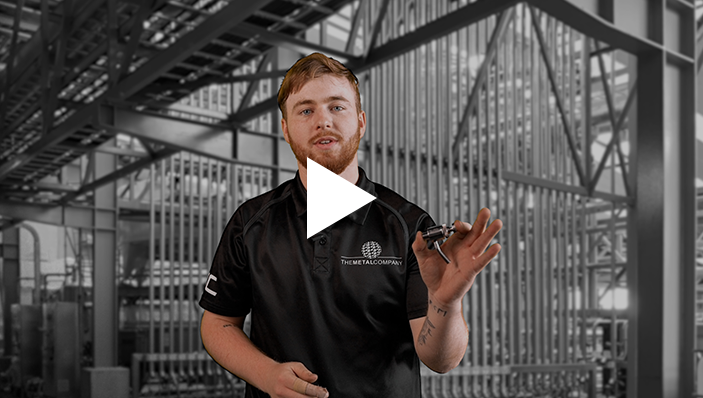
A Sampling Valve for Every Application
Related Products
Y STRAINER CONSTRUCTION
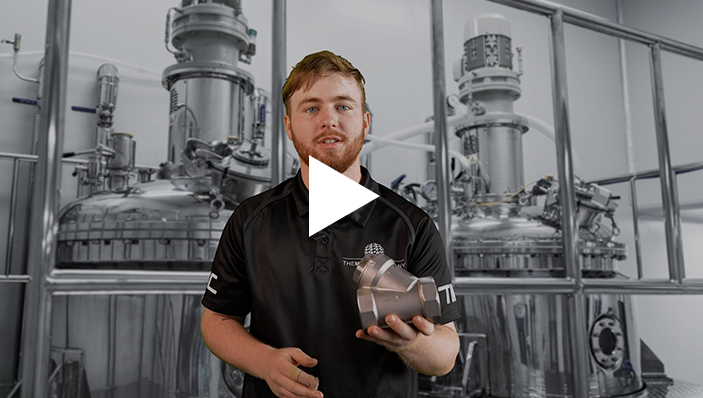
Y STRAINER CONSTRUCTION
Related Products
SPRING CHECK VALVE TEMPERATURE RATINGS
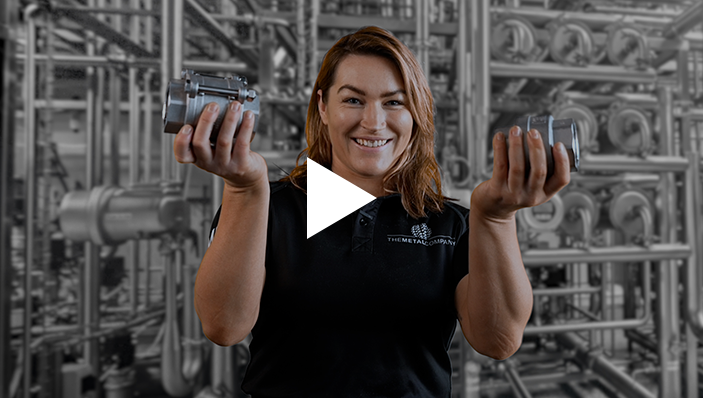
SPRING CHECK VALVE TEMPERATURE RATINGS
Related Products
Related Products
A Valve for Every Need
A Valve for Every Need
Related Products
Related Products
Related Products
A Series Valve
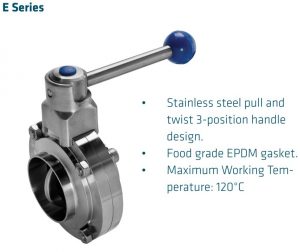
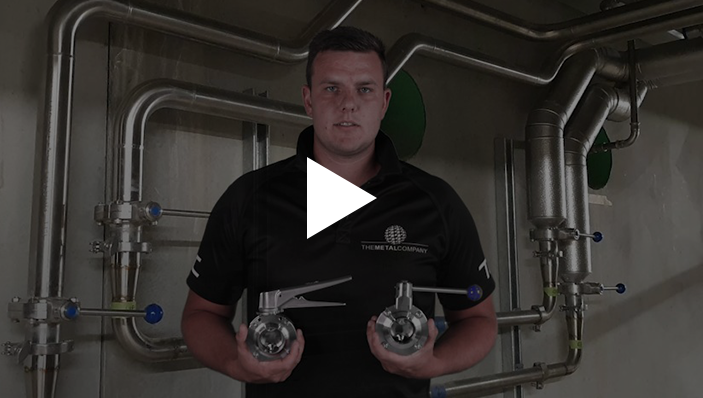
E Series Valve
A Series Valve
E Series Valve
Related Products
Related Products
The Gate Valve
The Gate Valve is a multidirectional valve (flow can be either way) and houses a vertical ‘gate’ which determines the volume of flow passing through it. They are designed as an on-off function to isolate or connect fluid, but flow can be restricted or stopped completely by winding the handwheel at different levels.
The Globe Valve
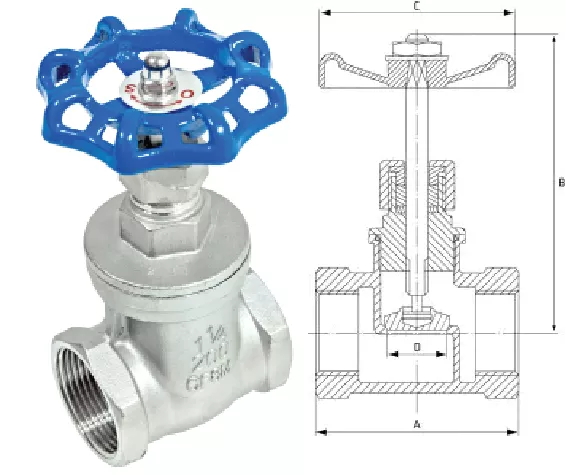
The Gate Valve
The Gate Valve is a multidirectional valve (flow can be either way) and houses a vertical ‘gate’ which determines the volume of flow passing through it. They are designed as an on-off function to isolate or connect fluid, but flow can be restricted or stopped completely by winding the handwheel at different levels.The Globe Valve
Related Products
How a Non-Return Valve Works
Piston Check Valves
Swing Check Valves
Spring Check Valves
How a Non-Return Valve Works
Piston Check Valves
Swing Check Valves
Spring Check Valves
Related Products
Technical
Both Cast Iron and Cast Steel are ferrous metals and made mostly from iron and therefore look almost identical in appearance. Cast Iron is an iron casting with carbon content higher than 2%. Cast Steel is a steel casting with carbon content lower than 2%, giving it a better corrosion resistance than steel. Iron is relatively easy to cast, as it pours easily and doesn’t shrink as much as steel. The higher grades of this metal can withstand a greater load and a degree of tightness or corrosion resistance. For this reason, our cast iron valves are a wonderful solution for certain applications. They are highly durable, making them the right choice for many plumbing solutions. The durability of these types of valves means that they require less maintenance, which saves money in the long run. They are also resistant to corrosion. While tough, these types of valves are not the right solution for every application. For instance, certain kinds of chemicals and gases may benefit from cast steel valves instead. Higher-pressure systems often benefit from steel cast valves. Likewise, cast steel valves weigh less and may be a better solution in tight spaces. Cast steel valves are also extremely reliable and are often the valves of choice in applications like refineries and chemical plants. No matter your application, our experts here at The Metal Company are ideally suited to answer your questions to make sure that you have the right type of valve for the right application. Both Cast Iron and Cast Steel are ferrous metals and made mostly from iron and therefore look almost identical in appearance. Cast Iron is an iron casting with carbon content higher than 2%. Cast Steel is a steel casting with carbon content lower than 2%, giving it a better corrosion resistance than steel. Iron is relatively easy to cast, as it pours easily and doesn’t shrink as much as steel. The higher grades of this metal can withstand a greater load and a degree of tightness or corrosion resistance. For this reason, our cast iron valves are a wonderful solution for certain applications. They are highly durable, making them the right choice for many plumbing solutions. The durability of these types of valves means that they require less maintenance, which saves money in the long run. They are also resistant to corrosion. While tough, these types of valves are not the right solution for every application. For instance, certain kinds of chemicals and gases may benefit from cast steel valves instead. Higher-pressure systems often benefit from steel cast valves. Likewise, cast steel valves weigh less and may be a better solution in tight spaces. Cast steel valves are also extremely reliable and are often the valves of choice in applications like refineries and chemical plants. No matter your application, our experts here at The Metal Company are ideally suited to answer your questions to make sure that you have the right type of valve for the right application. See above for the Butterfly Valve Symbol and diagram which shows an open and closed Butterfly Valve. The Butterfly disc positioned in the center rotates either parallel or perpendicular to the flow, allowing for quick shut-off. When the valve is fully closed, the disc is turned perpendicular, so it completely blocks off the passageway. When the valve of a Butterfly Valve is fully open, it is rotated a quarter turn which is then parallel with the flow. The disc is commonly referred to as the Butterfly which is mounted on a rod. The movement of the rod with the disc will depend on whether the valve is open or closed. Shop our wide range of butterfly valves to find exactly what you need. See above for the Butterfly Valve Symbol and diagram which shows an open and closed Butterfly Valve. The Butterfly disc positioned in the center rotates either parallel or perpendicular to the flow, allowing for quick shut-off. When the valve is fully closed, the disc is turned perpendicular, so it completely blocks off the passageway. When the valve of a Butterfly Valve is fully open, it is rotated a quarter turn which is then parallel with the flow. The disc is commonly referred to as the Butterfly which is mounted on a rod. The movement of the rod with the disc will depend on whether the valve is open or closed. Shop our wide range of butterfly valves to find exactly what you need. The Wafer type Butterfly Valve is placed between pipe flanges, and the flange bolts surround the valve body. The Wafer Type Butterfly Valve is suitable for most flanges (including Table E, PN16 and Ansi150). If either side of the valve needs maintenance, then the entire line must be shut down The Lugged Butterfly Valve has threaded lugs on the periphery of the valve body to provide passages for bolt holes that match with those in the flanges. This design enables the disconnection of one side of the line without affecting the other. The Butterfly Valve is classified as a quarter-turn valve. This works like a ball valve for quick shutoff, however, it can open and close incrementally unlike a ball valve. The Wafer type Butterfly Valve is placed between pipe flanges, and the flange bolts surround the valve body. The Wafer Type Butterfly Valve is suitable for most flanges (including Table E, PN16 and Ansi150). If either side of the valve needs maintenance, then the entire line must be shut down The Lugged Butterfly Valve has threaded lugs on the periphery of the valve body to provide passages for bolt holes that match with those in the flanges. This design enables the disconnection of one side of the line without affecting the other. The Butterfly Valve is classified as a quarter-turn valve. This works like a ball valve for quick shutoff, however, it can open and close incrementally unlike a ball valve. Ball valves are classified as a quarter turn shut-off valve which controls the flow of fluid or gas with its rotating ball. These valves are known as a full port valve as the spherical ball has a straight bore right through it meaning that the flow path has no restriction of flow. This is because it is equal to the inside diameter of the pipe or tube that it is mounted to. The valve can be opened or closed by turning the lever on the top of the valve. For the flow to pass, the bore should be aligned with the flow of the fluid. To block the flow, the ball can be rotated perpendicular to the flow path. These valves are very versatile as they can be used in a wide range of applications as they can withstand high temperatures and pressures, easy to use and inexpensive. Ball valves are classified as a quarter turn shut-off valve which controls the flow of fluid or gas with its rotating ball. These valves are known as a full port valve as the spherical ball has a straight bore right through it meaning that the flow path has no restriction of flow. This is because it is equal to the inside diameter of the pipe or tube that it is mounted to. The valve can be opened or closed by turning the lever on the top of the valve. For the flow to pass, the bore should be aligned with the flow of the fluid. To block the flow, the ball can be rotated perpendicular to the flow path. These valves are very versatile as they can be used in a wide range of applications as they can withstand high temperatures and pressures, easy to use and inexpensive. A Needle valve is used to regulate small amounts of flow or high pressures through either an appliance or system. The unique feature about a Needle Valve is that it has a small plunger which is similar to a needle (hence the name). The needle valve’s needle fits into the seat of the valves. This allows Needle Valves to accurately control fluid flow through the valve. These valves have many applications such as water distribution systems. These valves have parallel female BSP threaded ends, contain a PTFE seal and are controlled using a T handle. The maximum temperature rating of these valves is 200 degrees celsius and the maximum pressure this valve can handle is 6000PSI. We stock needle valves in 1/4 and ½ inch. A Needle valve is used to regulate small amounts of flow or high pressures through either an appliance or system. The unique feature about a Needle Valve is that it has a small plunger which is similar to a needle (hence the name). The needle valve’s needle fits into the seat of the valves. This allows Needle Valves to accurately control fluid flow through the valve. These valves have many applications such as water distribution systems. These valves have parallel female BSP threaded ends, contain a PTFE seal and are controlled using a T handle. The maximum temperature rating of these valves is 200 degrees celsius and the maximum pressure this valve can handle is 6000PSI. We stock needle valves in 1/4 and ½ inch. Piston check valves are a type of valve that allows fluid to flow in one direction. Rather than a spring, these valves consist of a cylinder and piston. This piston has a PTFE seat which causes a tight seal. These valves also have an inspection cap where the piston can be serviced or removed while in place. These valves have parallel female BSP threaded ends and have a maximum pressure of 800 PSI. They are suitable for use up to maximum working temperature of 230 degrees celsius. We stock these valves from ½ inch right up to 2 inch. Piston check valves are a type of valve that allows fluid to flow in one direction. Rather than a spring, these valves consist of a cylinder and piston. This piston has a PTFE seat which causes a tight seal. These valves also have an inspection cap where the piston can be serviced or removed while in place. These valves have parallel female BSP threaded ends and have a maximum pressure of 800 PSI. They are suitable for use up to maximum working temperature of 230 degrees celsius. We stock these valves from ½ inch right up to 2 inch. Sanitary ball valves are a ball valve especially designed for use in a sanitary or hygienic process lines. The valves feature a full-bore design that enables full fluid flow with minimal pressure drop. This makes them ideal for handling viscous liquids or liquids containing particles in the food, beverage, chemical and pharmaceutical industries. A sanitary ball valve has a few key components that make it different from a standard ball valve. The first is the body. The body of a sanitary ball valve is made from stainless steel and is polished to a high shine to ensure it is smooth and easy to clean. The second key component is the ball. The ball in a sanitary ball valve is also made from stainless steel and polished to a high shine. The third key component is the seal, which is made from EPDM to ensure a tight seal. This also means the maximum working temperature of the valve is 120 degrees Celsius. The fourth and final key component is the handle. This is a pull and twist, multi position handle so the ball valve can be used to control flow. Sanitary ball valves are a ball valve especially designed for use in a sanitary or hygienic process lines. The valves feature a full-bore design that enables full fluid flow with minimal pressure drop. This makes them ideal for handling viscous liquids or liquids containing particles in the food, beverage, chemical and pharmaceutical industries. A sanitary ball valve has a few key components that make it different from a standard ball valve. The first is the body. The body of a sanitary ball valve is made from stainless steel and is polished to a high shine to ensure it is smooth and easy to clean. The second key component is the ball. The ball in a sanitary ball valve is also made from stainless steel and polished to a high shine. The third key component is the seal, which is made from EPDM to ensure a tight seal. This also means the maximum working temperature of the valve is 120 degrees Celsius. The fourth and final key component is the handle. This is a pull and twist, multi position handle so the ball valve can be used to control flow. Sanitary non-return valves allow for flow to move in one direction and are able to stop fluid from returning through the valve in the opposite direction. The valve contains a gate which closes off the flow. When pressure is applied the gate will open in the direction of the flow. We stock these valves that butt weld to imperial tube, tri clover connections, or RJT connections. These valves have a tri clover clamp around the centre. That means you can easily open these valves for cleaning and inspection. We also stock seal kits for these valves. Sanitary non-return valves allow for flow to move in one direction and are able to stop fluid from returning through the valve in the opposite direction. The valve contains a gate which closes off the flow. When pressure is applied the gate will open in the direction of the flow. We stock these valves that butt weld to imperial tube, tri clover connections, or RJT connections. These valves have a tri clover clamp around the centre. That means you can easily open these valves for cleaning and inspection. We also stock seal kits for these valves. Sampling valves are a type of valve which is used for taking small samples of liquid from tanks or pipelines. A sampling valve is typically used for purposes such as quality control, identification and regulatory assessment. A sampling valve is used in a variety of industries such as food and beverage, pharmaceutical, cosmetics and chemical. They are also used in laboratories and research facilities. Sampling valves are invaluable for providing vital information regarding the quality of materials being produced. Our sampling valves are long-lasting and perfect for a wide range of applications. Our resident experts can guide you to the right type of sample valve for your production needs. Our sampling valves have silicon seals. The advantage of using silicon is that it is inert and does not react with any chemicals in the sample. Sampling valves are a type of valve which is used for taking small samples of liquid from tanks or pipelines. A sampling valve is typically used for purposes such as quality control, identification and regulatory assessment. A sampling valve is used in a variety of industries such as food and beverage, pharmaceutical, cosmetics and chemical. They are also used in laboratories and research facilities. Sampling valves are invaluable for providing vital information regarding the quality of materials being produced. Our sampling valves are long-lasting and perfect for a wide range of applications. Our resident experts can guide you to the right type of sample valve for your production needs. Our sampling valves have silicon seals. The advantage of using silicon is that it is inert and does not react with any chemicals in the sample. A Y strainer is named for its Y-shaped body, which houses a sieve-like mesh filter that is placed in the path of the fluid flow. As the fluid flows through the Y strainer, the foreign matter is caught on the screen and is prevented from continuing down the pipeline. The Metal Company stock two types of Y-strainers to suit different sizes – BSP Threaded Stainless Steel Y strainers from ½” up to 2”, and Ductile iron Y strainers from 1 ½” up to 8”. The small BSP Threaded Y strainers have a fully stainless body and filter and parallel female BSP Threaded ends. Ductile Iron Y strainers have a fusion bonded epoxy coating on the body and use a stainless steel mesh. They also include a drain plug in the cap, as well as table E flanged ends. Both of the valves have a removable cap so the strainer can be removed or cleaned. Y strainers are easy to install and maintain, and they are an economical option for protecting your pipeline from damage. A Y strainer is named for its Y-shaped body, which houses a sieve-like mesh filter that is placed in the path of the fluid flow. As the fluid flows through the Y strainer, the foreign matter is caught on the screen and is prevented from continuing down the pipeline. The Metal Company stock two types of Y-strainers to suit different sizes – BSP Threaded Stainless Steel Y strainers from ½” up to 2”, and Ductile iron Y strainers from 1 ½” up to 8”. The small BSP Threaded Y strainers have a fully stainless body and filter and parallel female BSP Threaded ends. Ductile Iron Y strainers have a fusion bonded epoxy coating on the body and use a stainless steel mesh. They also include a drain plug in the cap, as well as table E flanged ends. Both of the valves have a removable cap so the strainer can be removed or cleaned. Y strainers are easy to install and maintain, and they are an economical option for protecting your pipeline from damage. Spring check valves direct fluid to flow in one direction. This kind of check valve is important for allowing fluids and gases to flow unidirectionally. A spring check valve works via a spring mechanism that regulates the flow of fluids in one direction while also preventing backflow. The force of the flow allows the gate in the check valve stopper to open to create the desired flow. Our range of spring check valves have a stainless body and disc with parallel female BSP threaded ends. We stock spring check valves in 2pc and 3pc. We have 2pc spring check valves from ⅜ inch right up to 2 inch and for the 3 pc spring check valves, from ½ inch right up to 4 inches. These spring check valves are vertical valves and are not suitable to be installed in a horizontal position. The temperature rating of these valves is from -20 degrees Celsius to 180 degrees Celsius. Spring check valves have a maximum pressure rating of 580 PSI. Spring check valves direct fluid to flow in one direction. This kind of check valve is important for allowing fluids and gases to flow unidirectionally. A spring check valve works via a spring mechanism that regulates the flow of fluids in one direction while also preventing backflow. The force of the flow allows the gate in the check valve stopper to open to create the desired flow. Our range of spring check valves have a stainless body and disc with parallel female BSP threaded ends. We stock spring check valves in 2pc and 3pc. We have 2pc spring check valves from ⅜ inch right up to 2 inch and for the 3 pc spring check valves, from ½ inch right up to 4 inches. These spring check valves are vertical valves and are not suitable to be installed in a horizontal position. The temperature rating of these valves is from -20 degrees Celsius to 180 degrees Celsius. Spring check valves have a maximum pressure rating of 580 PSI. A swing check valve contains a gate which swings away to allow flow in one direction. When the flow is stopped, the disc will swing back onto the seat, automatically closing the valve as the pressure decreases. These valves allow for full flow as the gate opens fully when under pressure. The top inspection cap allows for easy servicing and cleaning of the gate. Our check valves have a stainless steel body and disc and have a maximum pressure of 230 PSI. At The Metal Company, we can help identify the right type of valve for your application. They also have a temperature rating from -20 degrees Celsius to 180 degrees Celsius. Swing check valves have parallel female BSP threaded ends. We stock these valves from ½ inch right up to 4 inches. A swing check valve contains a gate which swings away to allow flow in one direction. When the flow is stopped, the disc will swing back onto the seat, automatically closing the valve as the pressure decreases. These valves allow for full flow as the gate opens fully when under pressure. The top inspection cap allows for easy servicing and cleaning of the gate. Our check valves have a stainless steel body and disc and have a maximum pressure of 230 PSI. At The Metal Company, we can help identify the right type of valve for your application. They also have a temperature rating from -20 degrees Celsius to 180 degrees Celsius. Swing check valves have parallel female BSP threaded ends. We stock these valves from ½ inch right up to 4 inches. A valve plays a vital role in managing the flow of liquids, gases, and other materials through pipelines. Different valves have various functions such as opening, closing, or partially obstructing different passageways. A valve controls the flow of a fluid by starting or stopping its flow, regulating its flow (throttling), controlling pressure of the flow, and/or preventing backflow. Components of a valve include a body, seat, disc (sometimes called a core), seal, and an actuator. Different types of valves service different types of applications. We offer a wide range of different valves, including Ball Valves, Sanitary Butterfly Valves, Sanitary Ball Valves, Cast Iron Valves, Y Strainers, Process Valves, Check Valves, Needle Valves, and Non-Return Valves, among other options. At The Metal Company, we can identify the right valves for your next project. A valve plays a vital role in managing the flow of liquids, gases, and other materials through pipelines. Different valves have various functions such as opening, closing, or partially obstructing different passageways. A valve controls the flow of a fluid by starting or stopping its flow, regulating its flow (throttling), controlling pressure of the flow, and/or preventing backflow. Components of a valve include a body, seat, disc (sometimes called a core), seal, and an actuator. Different types of valves service different types of applications. We offer a wide range of different valves, including Ball Valves, Sanitary Butterfly Valves, Sanitary Ball Valves, Cast Iron Valves, Y Strainers, Process Valves, Check Valves, Needle Valves, and Non-Return Valves, among other options. At The Metal Company, we can identify the right valves for your next project. The Metal Company stock cast iron Lugged Butterfly Valves in Table D/E, ANSI150 and PN1016 threaded stud patterns. These valves have a multi position trigger action handle which controls the flow. Lugged butterfly valves have a 230PSI (16Bar) maximum nominal pressure rating. These valves house a stainless steel disc in a EPDM seal with a temperature rating of 120°C. The seal allows the valve to be suitable for oils, hydrocarbon fuels, hydraulic fluids, fats and flame retardant liquids. Gearboxes are also available to suit cast iron Lugged Butterfly Valves. This is an alternative to the multi position trigger action handle. This allows the valve to be operated by turning a wheel and is useful in high-pressure environments or larger valves where a handle would be hard. The Metal Company stock cast iron Lugged Butterfly Valves in Table D/E, ANSI150 and PN1016 threaded stud patterns. These valves have a multi position trigger action handle which controls the flow. Lugged butterfly valves have a 230PSI (16Bar) maximum nominal pressure rating. These valves house a stainless steel disc in a EPDM seal with a temperature rating of 120°C. The seal allows the valve to be suitable for oils, hydrocarbon fuels, hydraulic fluids, fats and flame retardant liquids. Gearboxes are also available to suit cast iron Lugged Butterfly Valves. This is an alternative to the multi position trigger action handle. This allows the valve to be operated by turning a wheel and is useful in high-pressure environments or larger valves where a handle would be hard. The L Port Valve and T Port Valve are both known as 3-way valves. This is due to their T-shape body with three ports. These valves both divert flow to and from different ports. The L Port Valve allows one action whereas the T Port Valve facilitates another. The L Port Valve is commonly used to direct the flow from two separate sources in one direction. For example – When emptying tanks, once one tank is empty the fluid can be drawn from the next tank to the same line by turning the handle to change the source. The T Port Valve is commonly used for directing the flow in two directions. Fluid is directed to more than one location simultaneously. This passes directly through the valve body as well as to the side port at a slightly lower pressure. Our L Port Valve and T Port Valve feature a lockable latch on the handle, and have a maximum temperature of 250c. Both are rated to 1,000PSI / 69Bar and are suitable for water, oil and gas (known as W.O.G.). The L Port Valve and T Port Valve are both known as 3-way valves. This is due to their T-shape body with three ports. These valves both divert flow to and from different ports. The L Port Valve allows one action whereas the T Port Valve facilitates another. The L Port Valve is commonly used to direct the flow from two separate sources in one direction. For example – When emptying tanks, once one tank is empty the fluid can be drawn from the next tank to the same line by turning the handle to change the source. The T Port Valve is commonly used for directing the flow in two directions. Fluid is directed to more than one location simultaneously. This passes directly through the valve body as well as to the side port at a slightly lower pressure. Our L Port Valve and T Port Valve feature a lockable latch on the handle, and have a maximum temperature of 250c. Both are rated to 1,000PSI / 69Bar and are suitable for water, oil and gas (known as W.O.G.). Although the butterfly valve internals vary marginally, they both have a slimline butterfly disc for low resistance and smooth operation. The major difference between the A Series Butterfly Valve and the E Series Butterfly Valve can be identified by the handle type. An A Series Valve has a stainless steel lockable trigger action 5-position handle design, food-grade silicone gasket and a maximum working temperature of 180°C. The parts on the A Series Valve are interchangeable with Keystone F250 valve. The E Series Valve has a stainless steel pull and twist 3-position handle design with an easily identifiable blue spherical ball, a food grade EPDM gasket and a maximum working temperature of 120°C. Although the butterfly valve internals vary marginally, they both have a slimline butterfly disc for low resistance and smooth operation. The major difference between the A Series Butterfly Valve and the E Series Butterfly Valve can be identified by the handle type. An A Series Valve has a stainless steel lockable trigger action 5-position handle design, food-grade silicone gasket and a maximum working temperature of 180°C. The parts on the A Series Valve are interchangeable with Keystone F250 valve. The E Series Valve has a stainless steel pull and twist 3-position handle design with an easily identifiable blue spherical ball, a food grade EPDM gasket and a maximum working temperature of 120°C. Mini Ball Valves are commonly used for domestic water services, heating & air-conditioning plants and compressed air systems. The slimline design and butterfly style handle are beneficial on smaller sized process lines or for saving space in condensed situations in comparison to standard 2pc or 3pc Ball Valves. The Metal Company stock Mini Ball Valves with the full valve body, ball and stem in stainless steel grade 316, rather than a mix of stainless and nickel-plated or chrome-plated brass materials which are supplied elsewhere in the industry. The Mini Ball Valves have an EPDM O-ring seal that can process liquids from -40°C and up to 120°C. Mini Ball Valves are commonly used for domestic water services, heating & air-conditioning plants and compressed air systems. The slimline design and butterfly style handle are beneficial on smaller sized process lines or for saving space in condensed situations in comparison to standard 2pc or 3pc Ball Valves. The Metal Company stock Mini Ball Valves with the full valve body, ball and stem in stainless steel grade 316, rather than a mix of stainless and nickel-plated or chrome-plated brass materials which are supplied elsewhere in the industry. The Mini Ball Valves have an EPDM O-ring seal that can process liquids from -40°C and up to 120°C. On the outside, the Gate Valve and Globe Valve look similar. However on the inside, they function completely different. Both valves are supplied by The Metal Company in stainless steel grade 316, have an aluminium handwheel, a maximum pressure of 1000PSI / 69Bar and are suitable for water, oil and gas (known as W.O.G.). The Globe Valve is a directional valve (one direction of flow) and consists of a movable disk-type plug that closes against a horizontal seat to regulate the flow passing through. Due to the horizontal seat configuration, the Globe Valve restricts the fluid flow significantly even when in fully open position in comparison to the Gate Valve. On the outside, the Gate Valve and Globe Valve look similar. However on the inside, they function completely different. Both valves are supplied by The Metal Company in stainless steel grade 316, have an aluminium handwheel, a maximum pressure of 1000PSI / 69Bar and are suitable for water, oil and gas (known as W.O.G.). The Globe Valve is a directional valve (one direction of flow) and consists of a movable disk-type plug that closes against a horizontal seat to regulate the flow passing through. Due to the horizontal seat configuration, the Globe Valve restricts the fluid flow significantly even when in fully open position in comparison to the Gate Valve. Some valves are ‘non-return’, which means the flow is unidirectional (one direction of flow) and is able to stop the fluid from returning through the valve the opposite way. A non-return valve keeps things moving in the right direction. Generally, the non-return valve will have a gate with a hinge or spring which closes off the bore. When flow pressure is applied, the gate opens in the direction of flow. This unidirectional flow ensures that no backflow occurs and is vital for a wide variety of applications, including chemical, agricultural, and industrial settings. At The Metal Company, our knowledgeable team can work with you closely to make sure that you get the right valves for the right application. Some valves are ‘non-return’, which means the flow is unidirectional (one direction of flow) and is able to stop the fluid from returning through the valve the opposite way. A non-return valve keeps things moving in the right direction. Generally, the non-return valve will have a gate with a hinge or spring which closes off the bore. When flow pressure is applied, the gate opens in the direction of flow. This unidirectional flow ensures that no backflow occurs and is vital for a wide variety of applications, including chemical, agricultural, and industrial settings. At The Metal Company, our knowledgeable team can work with you closely to make sure that you get the right valves for the right application. Maximum Seal Temperature: +200-250°C Other Titles: Polytetrafluoro Ethylene (PTFE). Aside from Teflon, trading names include Fluon, Dyneon and Dakin-Polyflon. Teflon (PTFE) is known for the non-reactive and non-ageing properties which can withstand temperatures from –240°C to +260°C. This makes Teflon suitable for most industrial corrosive chemicals and solvents. Teflon is used for a range of valve seats including 2pc & 3pc Ball Valves, L & T Port Valves, Piston Check Valves, Needle Valves and Threaded Sampling Valves. Blue Monster Thread Sealing Tape is also 99.6% PTFE and Stainless Steel Thread Sealing Tape is 90% PTFE which can perform within a temperature range of -268°C to +260°C. Maximum Seal Temperature: +200-250°C Other Titles: Polytetrafluoro Ethylene (PTFE). Aside from Teflon, trading names include Fluon, Dyneon and Dakin-Polyflon. Teflon (PTFE) is known for the non-reactive and non-ageing properties which can withstand temperatures from –240°C to +260°C. This makes Teflon suitable for most industrial corrosive chemicals and solvents. Teflon is used for a range of valve seats including 2pc & 3pc Ball Valves, L & T Port Valves, Piston Check Valves, Needle Valves and Threaded Sampling Valves. Blue Monster Thread Sealing Tape is also 99.6% PTFE and Stainless Steel Thread Sealing Tape is 90% PTFE which can perform within a temperature range of -268°C to +260°C. Maximum Seal Temperature: +100-120°C Other Titles: Buna-N, Perbunan, Acrylonitrile Butadiene Rubber or Nitrile-Butadiene Rubber (NBR). Nitrile (NBR) is a synthetic rubber which is suitable for oils, hydrocarbon fuels, hydraulic fluids, fats and flame retardant liquids. The Metal Company use white nitrile rubber for food grade quality (FQ) flange gaskets. Blue nitrile rubber is used for standard RJT stepped seals with a maximum temperature of 100°C and DIN O-ring seals with a maximum temperature of 120°C. Black nitrile rubber is used for camlock gaskets. Nitrile is also used for black seals on Table E Lugged Butterfly Valves, with a maximum temperature of 120°C. Maximum Seal Temperature: +100-120°C Other Titles: Buna-N, Perbunan, Acrylonitrile Butadiene Rubber or Nitrile-Butadiene Rubber (NBR). Nitrile (NBR) is a synthetic rubber which is suitable for oils, hydrocarbon fuels, hydraulic fluids, fats and flame retardant liquids. The Metal Company use white nitrile rubber for food grade quality (FQ) flange gaskets. Blue nitrile rubber is used for standard RJT stepped seals with a maximum temperature of 100°C and DIN O-ring seals with a maximum temperature of 120°C. Black nitrile rubber is used for camlock gaskets. Nitrile is also used for black seals on Table E Lugged Butterfly Valves, with a maximum temperature of 120°C. Operating temperature Min/Max degrees centigrade: -20* / +120 °C Operating pressure maximum in bar: 16 Fields of application: Potable Water Heating, Cooling and Refrigeration, Circuits Treated Water, Desalinated Water, Rainwater Compressed Air (Classes 1-4) Other Titles: Ethylene Propylene Diene Monomer Ethylene Propylene Diene Monomer (EPDM) is a long-lasting synthetic rubber which is suitable for hot water, steam, alcohols, coolants, acids and bases. It is not resistant to mineral oils, greases or fuels. EPDM seals are used for flexibility, good insulation properties and the general temperature range of -20°C and +120°C. The black EPDM sealing ring from ø 15 – 54 mm is supplied with an additional safety feature that during pressure tests will lead to leakage in the case of accidentally unpressed connections. The Metal Company use black EPDM rubber for standard seals on stainless steel and carbon steel press fit fittings, standard seals for BSP threaded Mac Unions and standard seals for Tri Clover unions. Green EPDM Rubber is used as chemical-resistant seals for RJT stepped seals. EPDM is used for a range of valve seals including Mini Ball Valves, Sanitary Non-Return Valves, A & E Series Butterfly Valves, Sanitary Ball Valves and Inline Non-Return Valves. Operating temperature Min/Max degrees centigrade: -20* / +120 °C Operating pressure maximum in bar: 16 Fields of application: Potable Water Heating, Cooling and Refrigeration, Circuits Treated Water, Desalinated Water, Rainwater Compressed Air (Classes 1-4) Other Titles: Ethylene Propylene Diene Monomer Ethylene Propylene Diene Monomer (EPDM) is a long-lasting synthetic rubber which is suitable for hot water, steam, alcohols, coolants, acids and bases. It is not resistant to mineral oils, greases or fuels. EPDM seals are used for flexibility, good insulation properties and the general temperature range of -20°C and +120°C. The black EPDM sealing ring from ø 15 – 54 mm is supplied with an additional safety feature that during pressure tests will lead to leakage in the case of accidentally unpressed connections. The Metal Company use black EPDM rubber for standard seals on stainless steel and carbon steel press fit fittings, standard seals for BSP threaded Mac Unions and standard seals for Tri Clover unions. Green EPDM Rubber is used as chemical-resistant seals for RJT stepped seals. EPDM is used for a range of valve seals including Mini Ball Valves, Sanitary Non-Return Valves, A & E Series Butterfly Valves, Sanitary Ball Valves and Inline Non-Return Valves. Maximum Seal Temperature: +180°C Silicone rubber is an elastomer with exceptionally high performance and good resistance to temperature fluctuations, fungal growth and UV exposure. Silicone rubber seals are essential components in various industries, providing reliable sealing solutions for a wide range of applications and industries. These seals are known for their durability, flexibility, and resistance to extreme temperatures, making them ideal for use in environments where traditional materials may fail. The Metal Company offers next-day delivery so you can get the materials you need, when you need them. The Metal Company use white silicone rubber for valve seals on A & E Series Butterfly Valves and Sampling Diaphragm Valves. Maximum Seal Temperature: +180°C Silicone rubber is an elastomer with exceptionally high performance and good resistance to temperature fluctuations, fungal growth and UV exposure. Silicone rubber seals are essential components in various industries, providing reliable sealing solutions for a wide range of applications and industries. These seals are known for their durability, flexibility, and resistance to extreme temperatures, making them ideal for use in environments where traditional materials may fail. The Metal Company offers next-day delivery so you can get the materials you need, when you need them. The Metal Company use white silicone rubber for valve seals on A & E Series Butterfly Valves and Sampling Diaphragm Valves.Related Products
Related Products
Wafer Type Butterfly Valve
Lugged Butterfly Valve:
Wafer Type Butterfly Valve
Lugged Butterfly Valve:
Related Products
Related Products
NEEDLE VALVE TEMPERATURE RATINGS
NEEDLE VALVE TEMPERATURE RATINGS
Related Products
Related Products
Related Products
Related Products
A Sampling Valve for Every Application
A Sampling Valve for Every Application
Related Products
Y STRAINER CONSTRUCTION
Y STRAINER CONSTRUCTION
Related Products
SPRING CHECK VALVE TEMPERATURE RATINGS
SPRING CHECK VALVE TEMPERATURE RATINGS
Related Products
Related Products
A Valve for Every Need
A Valve for Every Need
Related Products
Related Products
Related Products
A Series Valve
E Series Valve
A Series Valve
E Series Valve
Related Products
Related Products
The Gate Valve
The Gate Valve is a multidirectional valve (flow can be either way) and houses a vertical ‘gate’ which determines the volume of flow passing through it. They are designed as an on-off function to isolate or connect fluid, but flow can be restricted or stopped completely by winding the handwheel at different levels.The Globe Valve
Related Products
How a Non-Return Valve Works
Piston Check Valves
Swing Check Valves
Spring Check Valves
How a Non-Return Valve Works
Piston Check Valves
Swing Check Valves
Spring Check Valves
Related Products